



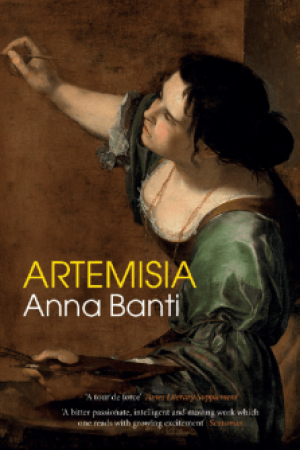
Much in Gentileschi’s life marked her out as a victim – rape atthe age of 18, a forced marriage to a man she did not love and, apowerful, patriarchal father, Orazio Gentileschi, who failed to value herartistic genius. But Gentileschi did not accept the status of victim, in theyears between 1610 and 1650; she produced over 50 paintings thathave established her as one of the great painters of all time. She gave up everything – “all tenderness, all claim to feminine virtues” to dedicate herself solely to painting. Sacrifices that Anna Banti, herself an artist, fully understands and captures in this amazing novel.
Republished at a time when appreciation of Gentileschi’s art is at its highest, Artemisia gives us the key to understanding the genius of this feminist icon.
“What makes Artemisia a great book – and unique in Banti’s work – is this double destiny, of a book lost and re-created. A book thatby being posthumous, rewritten, resurrected, gained incalculably inemotional reach and moral authority. A metaphor for literature,perhaps. And a metaphor for reading, militant reading – which, atits worthiest, is rereading – too.” Susan Sontag
